
24-HOUR EMERGENCY LINE: 1-844-808-4904
Inside CSV’s Albright gas plant, built with neighbours in mind
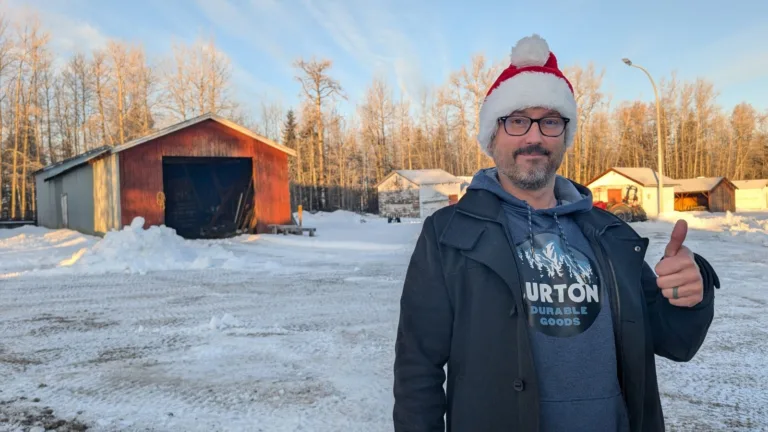
When CSV Albright came online, years of planning, construction, and coordination moved into a new phase. For the teams who built it and the neighbours who watched it take shape, the work became real.
Now operating west of Grande Prairie in northern Alberta, CSV’s Albright facility is a new sour gas plant with sulfur recovery, and it’s the first greenfield build of its kind in the region in decades.
But the story of Albright starts years ago.
Long before startup, the work around Albright extended beyond engineering and construction schedules.
It started with coffee at kitchen tables.
Greg Johansen and Daniel Clarke drove along Highway 672, down Range Road 92, along Township Roads 730 and 724, up Range Road 94, over to 723, up Saskatoon Mountain, and back again, and back again, and back again.
They began to know the region by the mailboxes out front, the driveways cutting through fields and treelines, and sometimes by the dog waiting outside.
“We wanted to understand what it actually meant to build something here, where people already live their lives,” said Johansen, Regulatory and Environmental Compliance Manager at CSV. “That meant going door to door, listening, and being honest about the disruption that was coming. We weren’t just talking about a project timeline. We were talking about what it would be like to be neighbours for decades to come.”
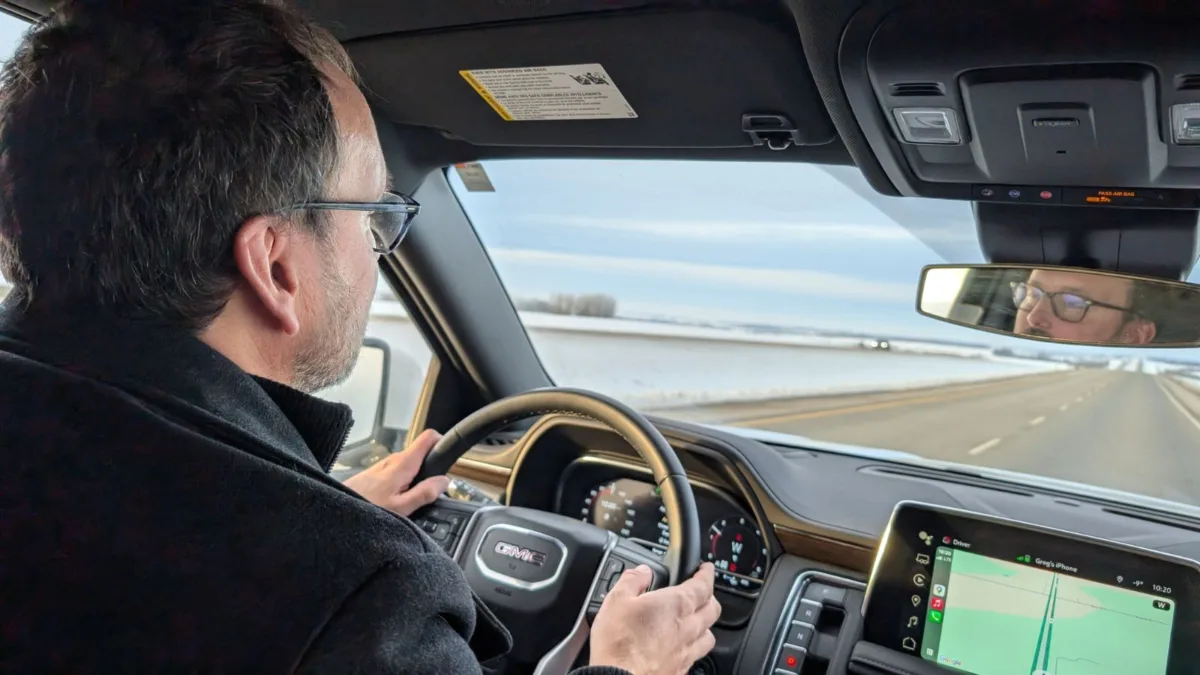
Those visits also informed how decisions were made at the leadership level.
“Creating shared value starts with showing up,” said Daniel Clarke, CEO of CSV. “You learn more sitting at a kitchen table than you ever will from a report. When people invite you into their homes and tell you their stories, you carry that with you.”
Those early conversations carried through the project. They influenced how information was shared, how concerns were addressed, and how expectations were set before construction began and long before the plant came online.
As the first facility of its kind built in the region in decades, Albright sets the benchmark for how CSV brings gas plants online.
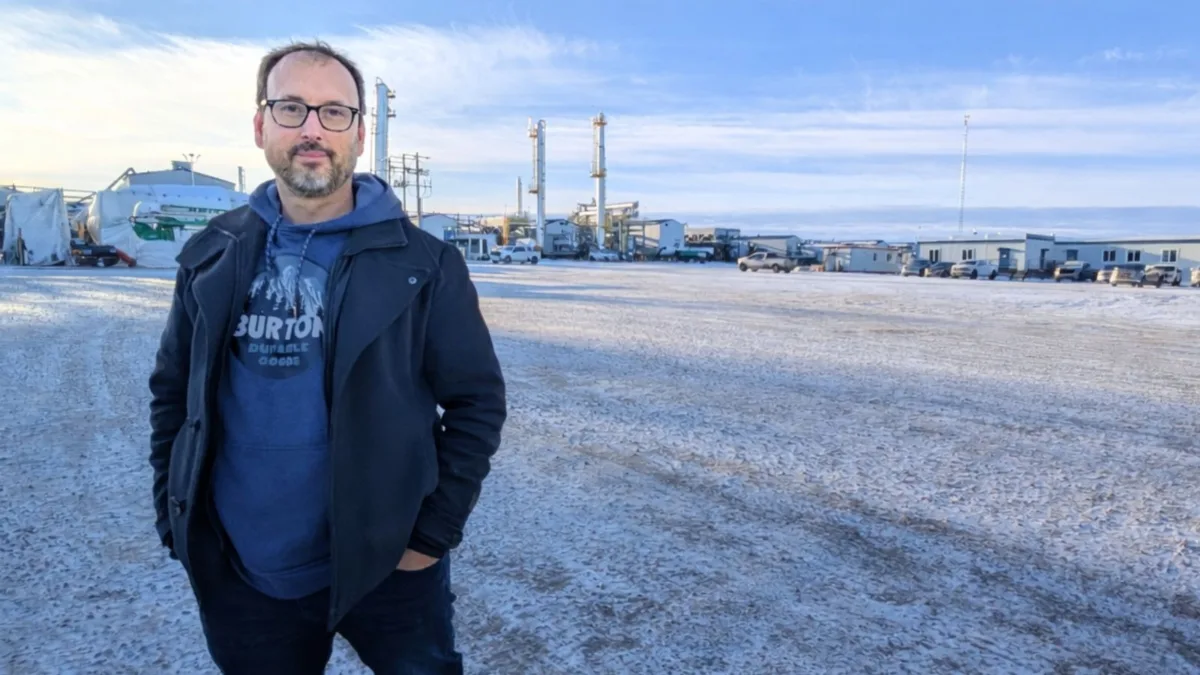
A new normal for community collaboration
As construction moved forward at Albright, CSV kept returning to the people who would be living next to the plant long after crews were gone. The early door knocking expanded, with more members of the CSV team spending time in the surrounding area as questions came up.
Maxine Maxwell lives nearby and wanted to understand what would change once the plant began operating. During a holiday visit, she invitedJohansen into her home to talk through questions about air quality and what monitoring would look like once Albright was running.
“I don’t want people to say, ‘Oh well, the smells in the air are going to be the new normal,’” Maxwell said, referring to odours she knows are common in oil and gas country. “I don’t want to get to that point where we just accept it.”
Her concern was specific and grounded in experience. Rather than leaving those questions unanswered, the conversation focused on how air monitoring works in practice.
Johansen walked through what is measured, where monitoring equipment is located, and how data is reviewed over time. He explained how changes are tracked, what triggers follow-up, and how residents can raise questions if something doesn’t seem right.
For Maxwell, the value was not just the information itself, but having the space to ask questions and understand what would be measured and how.
“Having those conversations makes a difference,” she said. “It helps you understand what’s actually happening.”
As Albright moved from planning into construction, CSV also stayed involved in the Wapiti Area Synergy Partnership, or WASP, a forum where landowners, residents, and industry meet to talk through development in the area.
Holly Sorgen, who facilitated the WASP meetings as Albright was being built, said the way CSV showed up was immediately recognized.
“Even just looking at how CSV does engagement around the community, how it got community support first, before doing the regulatory stuff, I thought that was really good,” says Sorgen. “If you’re more proactive with sharing information, it helps. People felt there was an avenue to have that conversation.”
For Johansen, those forums and kitchen-table visits are connected parts of the same work.
“The goal was never a single meeting or a one-time conversation,” says Johansen. “It was about staying present as the project moved forward and being willing to listen when questions came up. We didn’t want to just address the loudest concerns. Instead it was about understanding what the community values most and finding ways to align those values with what we’re doing. That took patience and trust.”
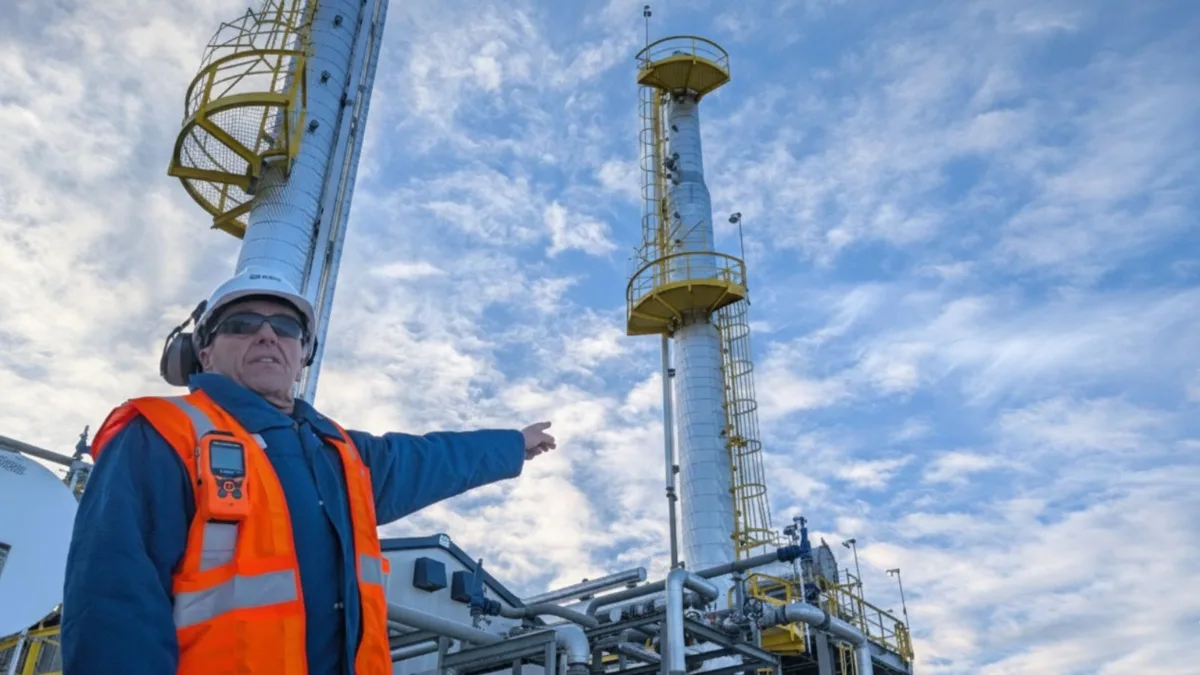
Albright was built differently, from the ground up
The engineering side that brought Albright online was also shaped long before the plant came online.
In many projects, design and construction are completed first, with operations brought in later to adapt to what has already been built. At Albright, operations were involved early, while decisions were still open.
Roger Henault, Director of Operations at CSV, has spent more than 50 years in the industry and has been involved in many facility launches. At Albright, his attention keeps coming back to the sulfur plant.
One of the defining features of Albright is its sulfur recovery process which removes hydrogen sulfide from sour gas (the term for natural gas that needs to be treated before it can be used or transported). It’s integrated into the core of the plant’s operations rather than treated as a downstream add-on.
“This sulfur plant combines the best features of established technologies and adapts them for better recovery and environmental performance,” Henault says. “It’s the first of its kind .”
Sulfur recovery involves separating hydrogen sulfide from the gas stream so it can be handled safely. Henault compares the process to filtering muddy water.
“You pour muddy water through a coffee filter, and what comes out is clean,” he says. “At Albright, we’re achieving more than 99% sulfur recovery, which significantly reduces emissions and ensures the gas is safe to use.”
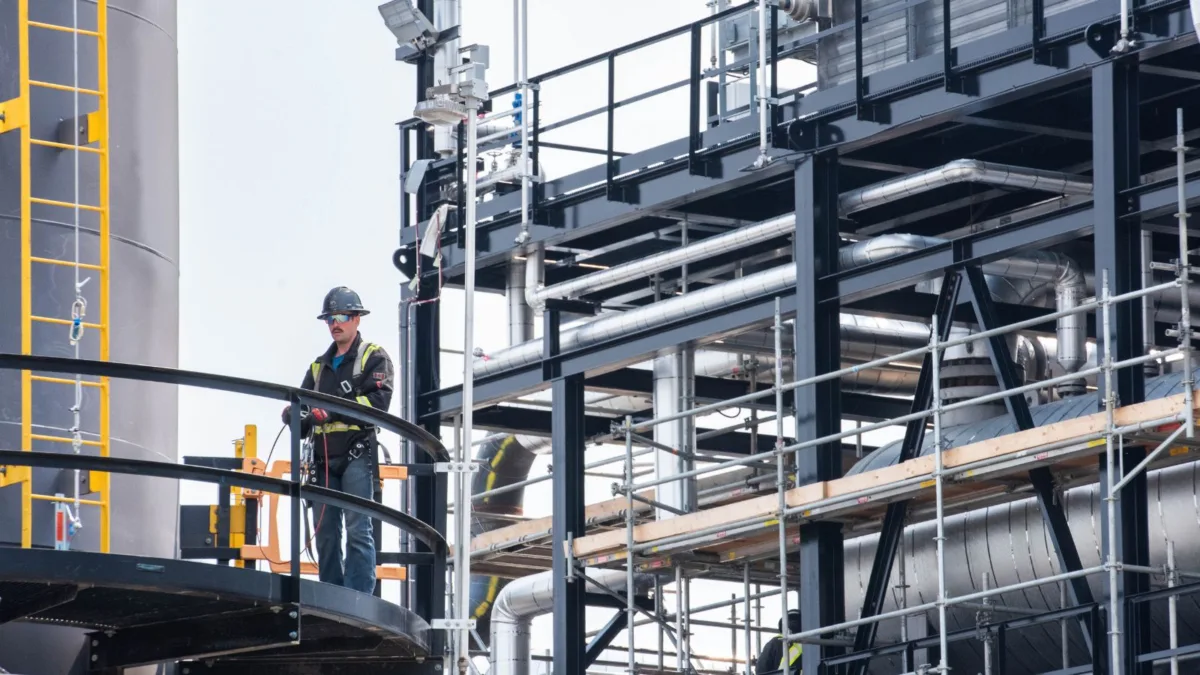
Those design choices also affect how the plant behaves. Traditional facilities often rely on flaring while systems stabilize, but at Albright, the plant was designed to recycle gas through the system instead.
“When traditional plants start up, they flare until everything stabilizes,” Henault explains. “At Albright, we’ve designed a system to recycle gas through the plant rather than flaring it. It’s a win for the environment and for nearby residents.”
For Johansen, Albright reflects how CSV wants to work when engineering, operations, and community engagement are treated as part of the same job.
“This project brought those pieces together in a real way,” he says. “The plant, the operations, and the relationships around it were all shaped at the same time. That changes how a facility comes online and how it’s lived with over the long term.”
He sees Albright as a reference point for how CSV approaches future projects.
“We’re showing that it’s possible to innovate, respect the environment, and engage with communities in a meaningful way. They all matter, and they all offer an opportunity for us to create shared value.”
