
24-HOUR EMERGENCY LINE: 1-844-808-4904
How Northwestern Polytechnic has changed how people train for work
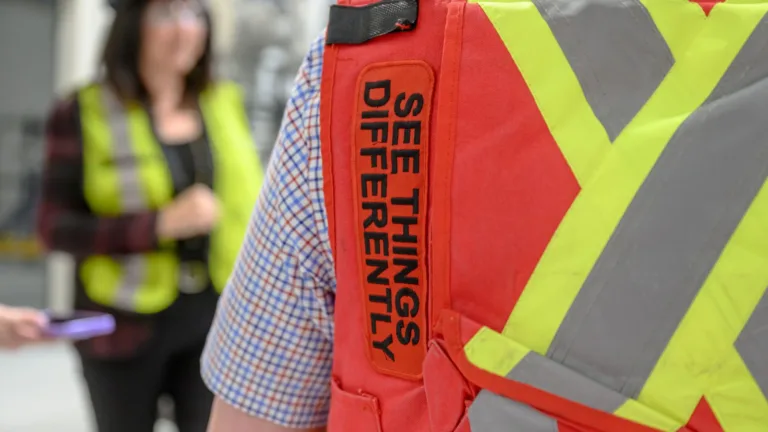
On a weekday afternoon at the Northwestern Polytechnic (NWP) campus in Grande Prairie, students move between classrooms, workshops, and offices as the day winds down.
Many of them grew up in the region. As they plan what comes next, one question often comes up: Can I build a career here without leaving the city to get my education?
For years, the answer was often no. People left Grande Prairie to finish credentials, upgrade skills, or pivot careers. Some came back. Many did not.
Over time, that pattern reduced the number of people training and working locally.
That reality began to shape how education leaders thought about their role.
Across Grande Prairie, post secondary programming is being aligned more deliberately with the work people are actually doing in the region and the work employers expect to need next. Courses and credentials are being adjusted so people can train without having to step away from work or family.
The goal is practical. For years, people left Grande Prairie to train, and many did not return. Making it possible to train in the city makes people more likely to stay.
Building programs around real demand
At NWP, the shift began with a hard look at how programs were being built and whether they still made sense.
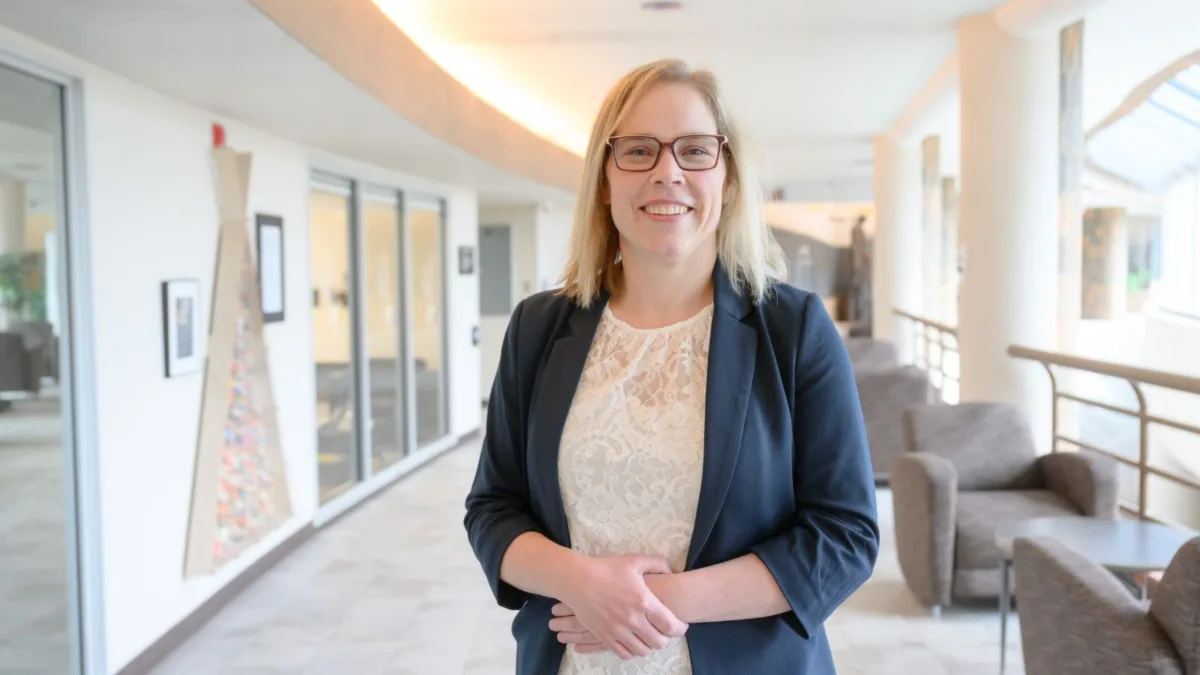
Dr. Vanessa Sheane, President and CEO of NWP, describes a period where enrollment was declining and programs were being reduced without new ones replacing them. At the same time, employers across the region were signalling growing gaps in trades, health care, and applied technical roles.
“I remember sitting there thinking, ‘we’re just doing a painful death at this point’,” Sheane said in an interview. “We were just watching it decline. We were slowly cutting things away, but we weren’t investing in anything.”
That realization changed how she thought about NWP’s direction.
“That was the ‘aha’ moment. OK, we gotta do something different here.”
NWP’s transition to a polytechnic mandate created room to rethink priorities. Program decisions began to move outward, shaped by conversations with industry, health care providers, and community leaders. Some of those conversations started formally. Others started just by picking up the phone.
“It really was reaching out to various community leaders and industry leaders, and just cold calling. I don’t mind cold calling and saying, ‘Hi, I’m from Northwestern Polytechnic, we think there’s an opportunity here, can we chat’?”
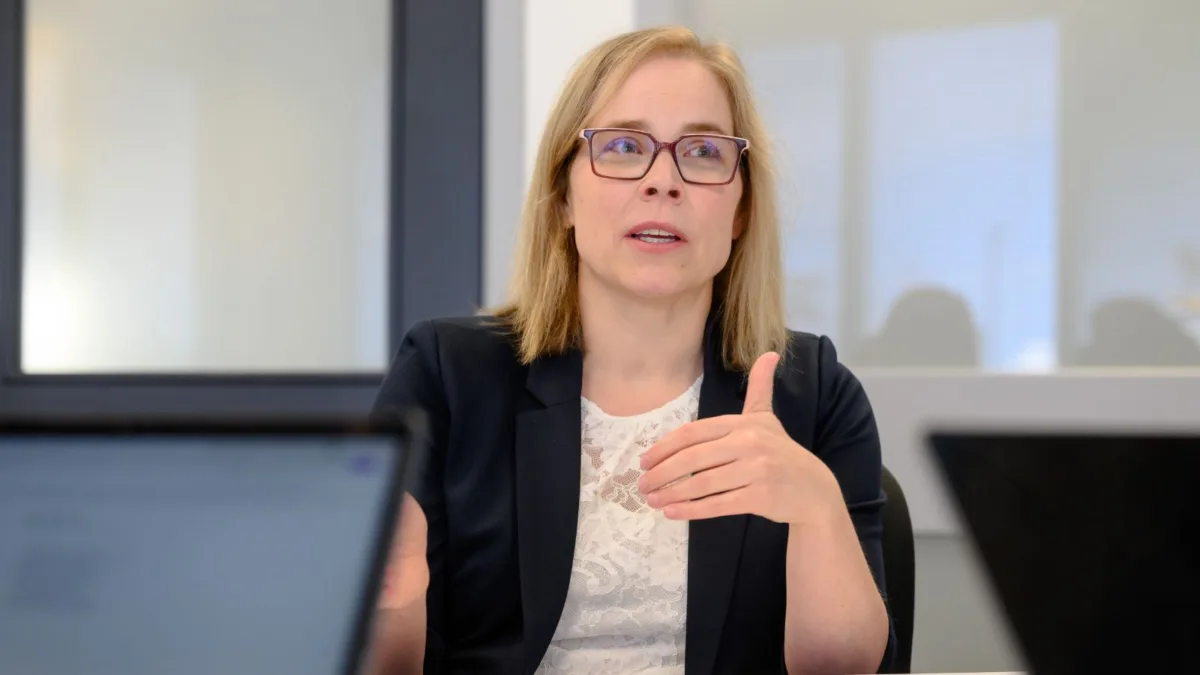
Sheane said those calls led to conversations about what kind of pipeline NWP could build to connect students to work in the region.
“Essentially the power engineering instrumentation piece got started that way,” she said, referencing the new Spartan Controls Northwestern Centre for Industrial Automation and Innovation.
The lab reflects a broader effort to bring industry practice directly into how students train.
“By providing students with state-of-the-art training and access to industry-replicated environments, this partnership will help equip them with the skills and experience needed to excel in Alberta’s critical industries,” said Doug Ndegwa, President and CEO of Spartan Controls.
For employers in the region, the value extends beyond a single lab or program.
When students train locally, they build skills in the same place they may later work. Graduates understand the region, the work, and the expectations that come with it. That alignment between education, industry, and place is where shared value shows up, shaping how programs are evaluated and strengthening the workforce while supporting the long-term health of the community.
That alignment changed how programs were evaluated. Instead of asking whether a course fit traditional academic structures, the question became whether it led to work people could realistically move into within the region.
“We feel the impact immediately when people can train here instead of leaving,” said Rosa Cameron, Director of People and Culture at CSV Midstream Solutions. “Graduates arrive with a clearer understanding of the work and the region, and that shortens the distance between education and a long-term career. For employers, that kind of local pipeline matters.”
Making education a rational choice for students
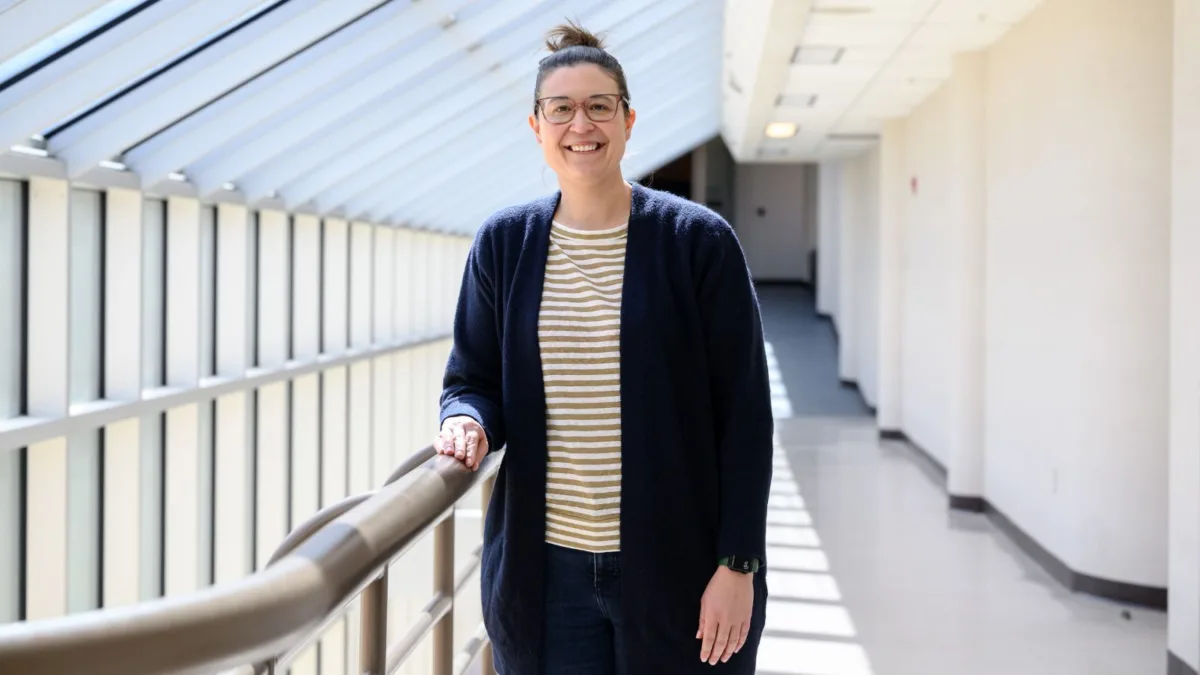
For Dr. Julia Dutove, Dean of the School of Applied Science and Technology at NWP, the work centres on making education feel like a reasonable investment of time and money.
“Education takes time, it costs money, and people want to invest in something where they see a future,” she said. “So if we can show that these careers are out there, come study with us and you have that opportunity.”
Labour forecasts, employer input, and student outcomes now play a larger role in shaping programs. Advisory committees made up of local industry and community members provide ongoing feedback. Work-integrated learning is built into many programs so students gain experience before graduating.
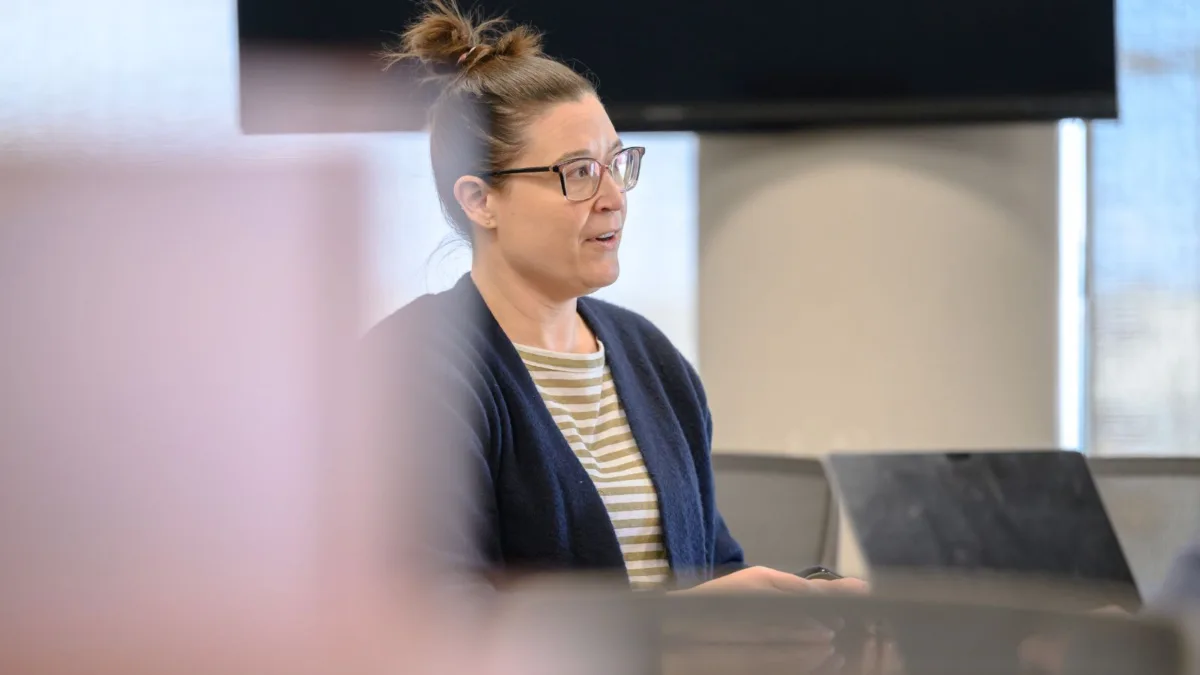
Dutove says this matters especially in regions where recruitment is competitive.
“If students are able to train in their home community, they’re likely to stay here. And so that’s how we get people who are qualified to do these jobs in regions that are maybe a little bit harder to recruit to. If we can train them here, we can probably keep them.”
Dutove points out that many applied roles in Grande Prairie exist across multiple sectors. Training helps students understand the range of options available without needing to relocate to discover them.
“When people don’t have to leave the region to train, they’re more likely to stay or come back,” said Cameron. “That matters for families, for communities, and for employers planning over the long term.”
“Education is expensive, and it takes time,” Dutove said. “Students want to see what they’re going to be able to do with it, and make sure that what we’re teaching aligns with the needs of employers. I think making sure that we really have clear pathways for students that they can see if you start at NWP, here are all the opportunities that exist.”

What learners take with them into the workforce
From an instructor’s perspective, the changes in how programs are designed show up when students begin to understand what work actually requires.
Brooklyn Klassen teaches power engineering at NWP and works closely with students as they move through training and into practicums, which are required work placements with employers. She says many arrive with limited context for what employers expect, but leave with a clearer sense of how they will be evaluated.
“I tell the students that your practicum is the longest job interview you’re ever going to have,” Klassen said. “It’s typically three months, so they’re really testing you out in that time. And not only are they testing you, but they’re testing the NWP reputation as well. So we want to be putting our best foot forward.”
By planning work placement as part of the education process, students confront workplace expectations while they are still in the program, rather than for the first time after graduation.
Another part of the program brings work into the classroom before students graduate. Employers come into classes to talk about their roles and answer questions directly.
“When we can get companies to come in and explain to the students that people that are actively doing the role, they get that first hand experience,” she said. “And then they can feel comfortable to ask them questions as well.”
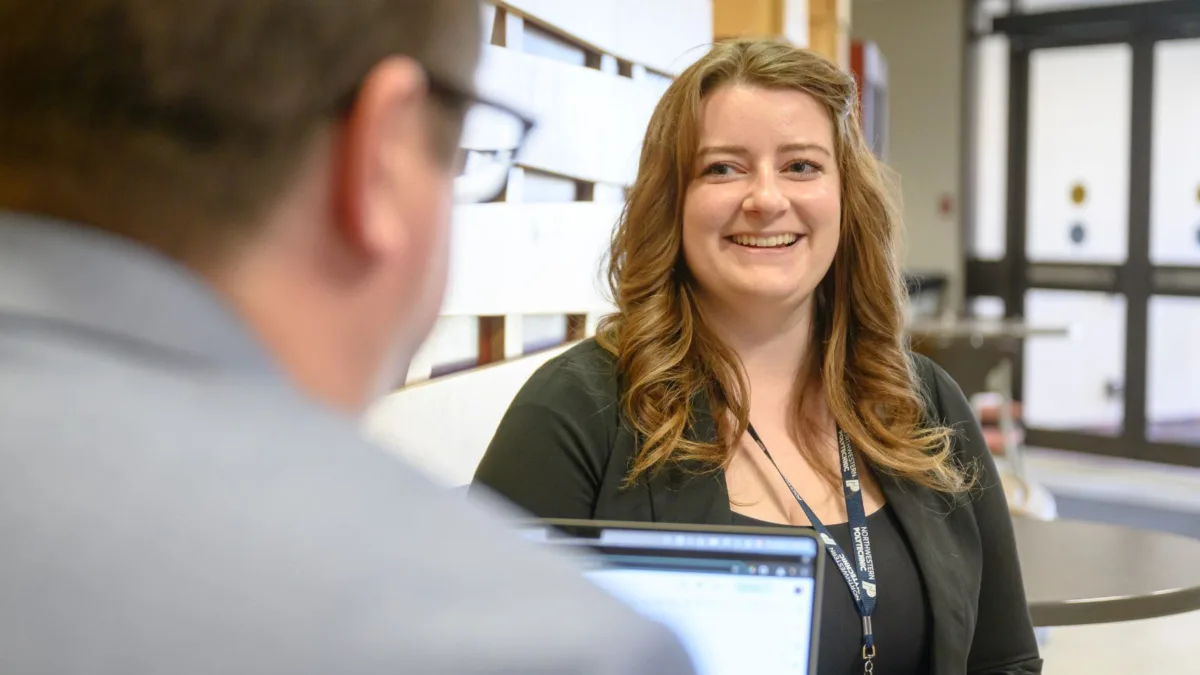
That interaction also works in both directions, with NWP going back to employers after graduates enter the workforce to see how they’re doing.
“We’re able to connect back after and ask, what more did you need to see from our students?” Klassen said. “What else can we do to give them a better opportunity?”
From her perspective, that ongoing exchange is part of how education has changed. Programs are shaped by what students will face next, not just what they need to complete today.
What is happening in Grande Prairie reflects a broader understanding that education plays a role in workforce stability.
“Long-term workforce planning depends on people being able to build skills and careers in the same place,” said Cameron. “When education reflects the realities of the work and the region, it creates continuity for both employees and employers.”
When people have to leave to train, regions absorb the cost of losing them. When education aligns with local work, employers can plan for continuity instead of turnover.
Grande Prairie is adjusting education with that reality in mind, treating learning as part of how the region prepares for work, growth, and the people who choose to build their lives in the city.
