
24-HOUR EMERGENCY LINE: 1-844-808-4904
How midstream in northwestern Alberta is being built for the long haul
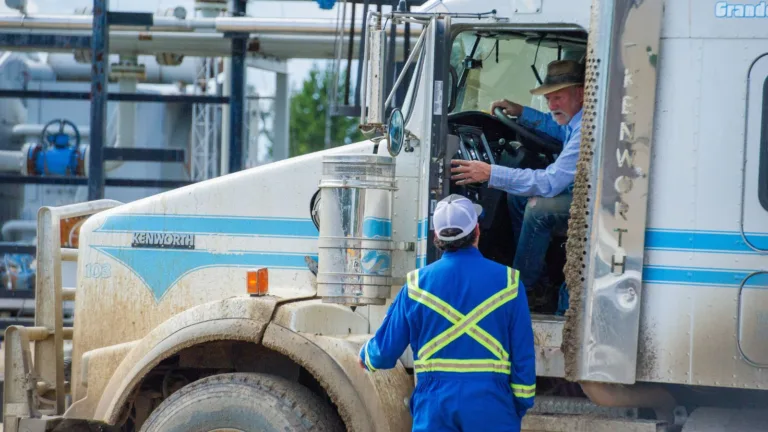
A competitor’s gas plant in northwestern Alberta was about to go down. A critical valve had failed, and there was no replacement in inventory anywhere it could be sourced quickly. Without one, the plant would be offline for six weeks. That meant potential lost revenue for producers, lost money for the operator, and less work for the people in the area who depend on the plant running.
CSV Midstream Solutions had the part on its own shelf, and sent it over.
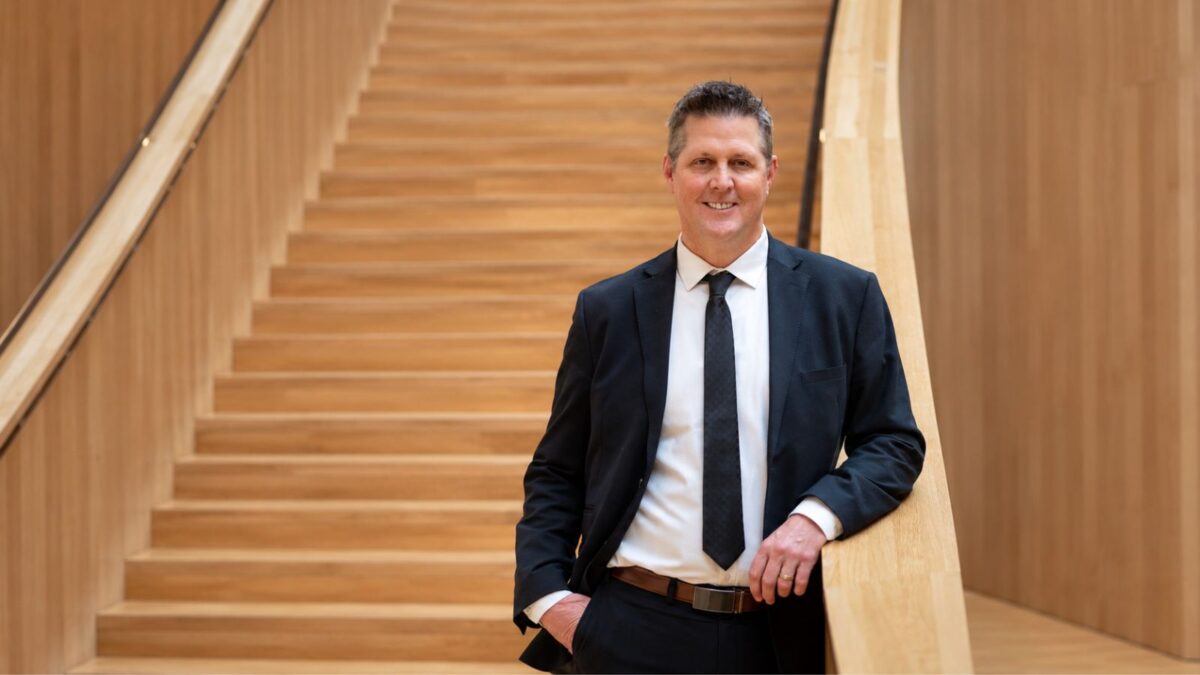
That story came up when Christopher Dutcher, EVP & Chief Operating Officer at CSV Midstream Solutions, was asked how much the industry has changed in the time he’s been in it. He smiled, and then shared the valve story without missing a beat.
Dutcher has spent his career in Western Canadian midstream where he’s watched how operators treat one another, and he’s been doing it long enough to know when something has genuinely changed.
“In the past you may have seen one company being antagonistic toward another,” Dutcher said. “The thinking was, ‘I’m not going to help them, because I want what’s best for us, and if we help them, we’re hurting ourselves’. That’s how it used to be.”
That thinking belonged to a version of this industry that is still recognizable but no longer dominant, and the distance between the two is growing.
In June 2025, LNG Canada loaded its first export cargo from Kitimat, giving Western Canadian gas its first destination beyond North America. For northwestern Alberta, gas from this region now has markets it didn’t have a year ago, but reaching those markets depends on commercial arrangements and infrastructure that didn’t exist a decade ago. Proposed data centre development in Alberta is now pointing in the same direction, with natural gas positioned as the primary fuel if those projects move forward.
The valve, it turns out, is a small moment in a much longer story about what’s changed.
An industry that put down roots
The Montney is one of the largest natural gas formations in North America, running from northeastern British Columbia into northwestern Alberta beneath the Peace Country region. It holds gas locked in dense rock that requires specialized drilling techniques to reach, but once a well is producing it keeps producing, often for decades rather than years.
For most of midstream’s history in Western Canada, producers built plants to process their own gas, ran them with their own teams, and sold them when they needed capital or wanted to focus on drilling. The basin was a collection of largely independent, producer-controlled assets where a competitor’s problem stayed a competitor’s problem.
That started changing around 2009.
Dedicated midstream companies began acquiring those plants and building new ones on different terms, including long-term commitments from producers to send their gas there before construction could begin. Gathering pipelines that once served a single company were extended and connected to neighbouring systems across the basin. When one facility went down, gas could move.
In the decade and a half since, the terms have only stretched. Processing commitments now routinely run 15 to 20 years, and some stretch to 25 or more. And producers and processors have become accountable to each other in ways they weren’t before.
The companies that understood the change early built differently. The ones that didn’t are catching up now.
What it means to stay
Before founding CSV, Daniel Clarke, CEO of CSV Midstream Solutions, ran an engineering firm.
It worked, but it kept hitting the same limit.
“The company was wonderful,” Clarke said. “But every project had a beginning and an end. People would learn, become really great at what they did, and then they would have to leave because I couldn’t provide them that holistic part of what CSV offers, which is the life cycle.”
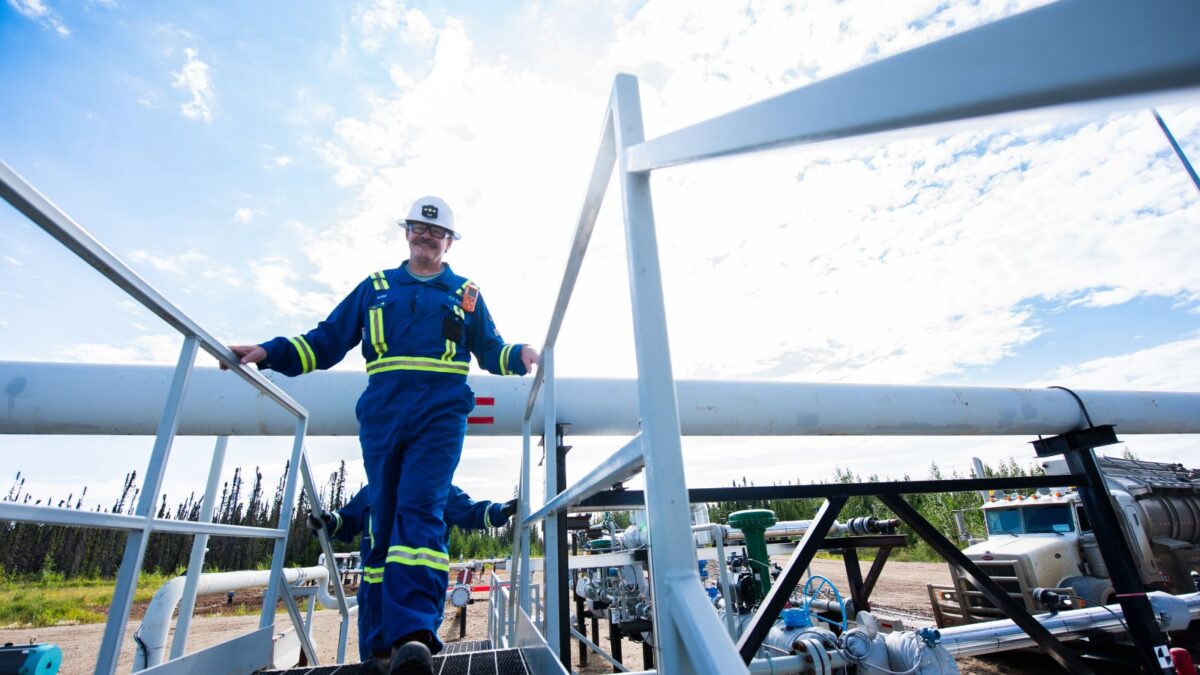
CSV Midstream Solutions was founded in 2014 around that idea. At CSV, engineering, construction, and operations sit under one roof, with the same teams carrying a facility from design through decades of operation. The knowledge built during design doesn’t disappear when construction ends, and the people running a plant 15 years from now will understand why it was built the way it was.
For Clarke, continuity couldn’t stop at the property line. The people who run CSV’s facilities live in the communities around them, and so will the people who run them next. Investing in one meant investing in the other.
Clarke found the language for that thinking in Creating Shared Value, a framework developed by Harvard Business School professor Michael Porter and consultant Mark Kramer, whose core argument is that companies perform better over time when they treat social and economic outcomes as connected rather than separate.
For CSV, that means asking how a gas plant contributes to the region around it over its full operating life, not just during construction. It isn’t philanthropy, sponsorship, or corporate social responsibility. It’s how the company is run.
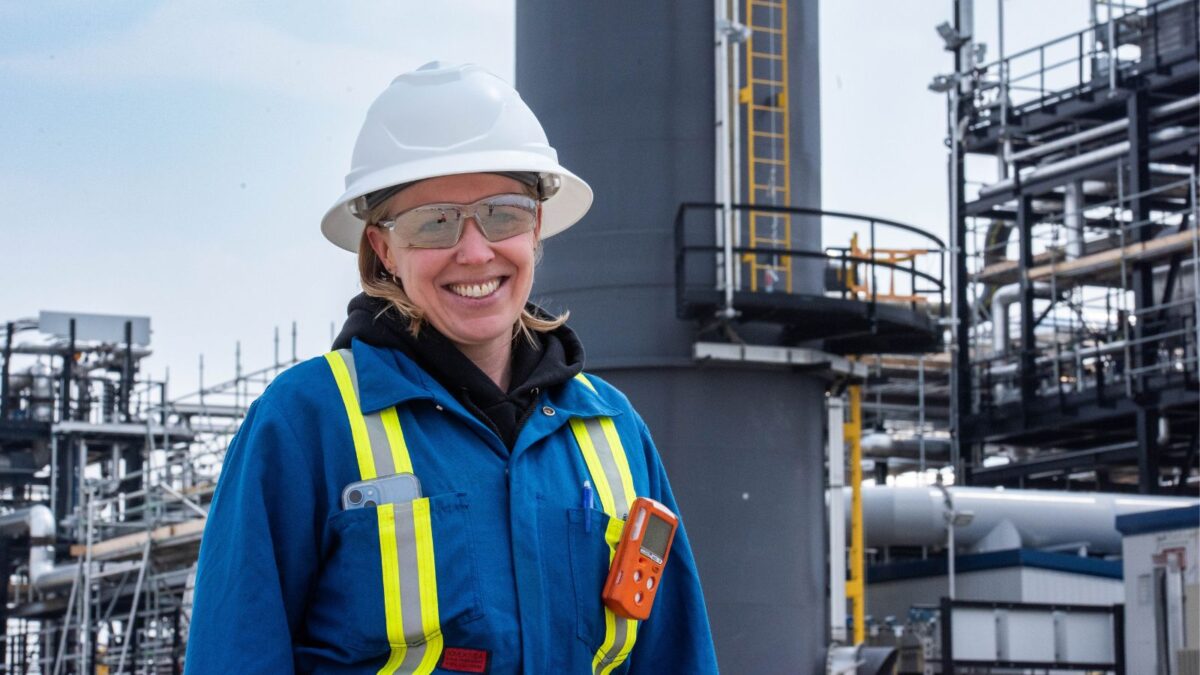
“Creating Shared Value didn’t ask the business to step away from performance or replace strategy with goodwill,” Clarke said. “It asked leaders to widen their field of vision and account for the real conditions that shape long-term outcomes. That means looking beyond the balance sheet to how land use, workforce stability, community trust, and regional capacity directly affect whether a business succeeds over time.”
Before construction began on its latest gas plant, Albright, CSV went door to door in the surrounding communities to understand the place. The questions Clarke was asking were operational.
“We wanted to know how this facility affects the people who live near it over its full operating life,” Clarke said. “What does long-term reliability require from the region, not just during construction but years into operation? Where are the constraints in the system that will eventually show up as cost, delay, or conflict if they are ignored now?”
That kind of thinking is now built into how CSV operates.
Another example is how CSV financially supports the community. Most corporate giving programs come out of profit, which means they tighten in lean years and disappear in bad ones.
CSV built the Creating Shared Value Fund differently.
The fund draws from revenue at the Albright facility, so as long as gas is moving through the plant, money is moving into the communities around them. And because midstream contracts now run for decades, that contribution isn’t a one-off or a one-decade commitment. It’s tied to the operating life of the infrastructure itself.
The workforce is being built for the long cycle too.
In 2025, Northwestern Polytechnic opened a new industrial automation training facility in Grande Prairie. The $16-million facility was launched through a 15-year partnership with Spartan Controls and trains apprentices on the same process equipment they will run in the field. The region that hosts the plants is now training the people who will run them.
It is also building structures to handle what comes with them.
The Wapiti Area Synergy Partnership (aka WASP) is a monthly forum where oil and gas producers, service providers, regulators, landowners, and residents in the Wapiti area work through energy development together.
Holly Sorgen, Executive Director of Community Futures Grande Prairie Region, has been involved since 2019, and says it plays a vital role.
“It’s a synergy group that is about oil and gas producers and service providers that believe in their community and want to connect with landowners and residents in a different way,” Sorgen said. “We’re creating lines of communication that survive past the good times and when we’re frustrated.”
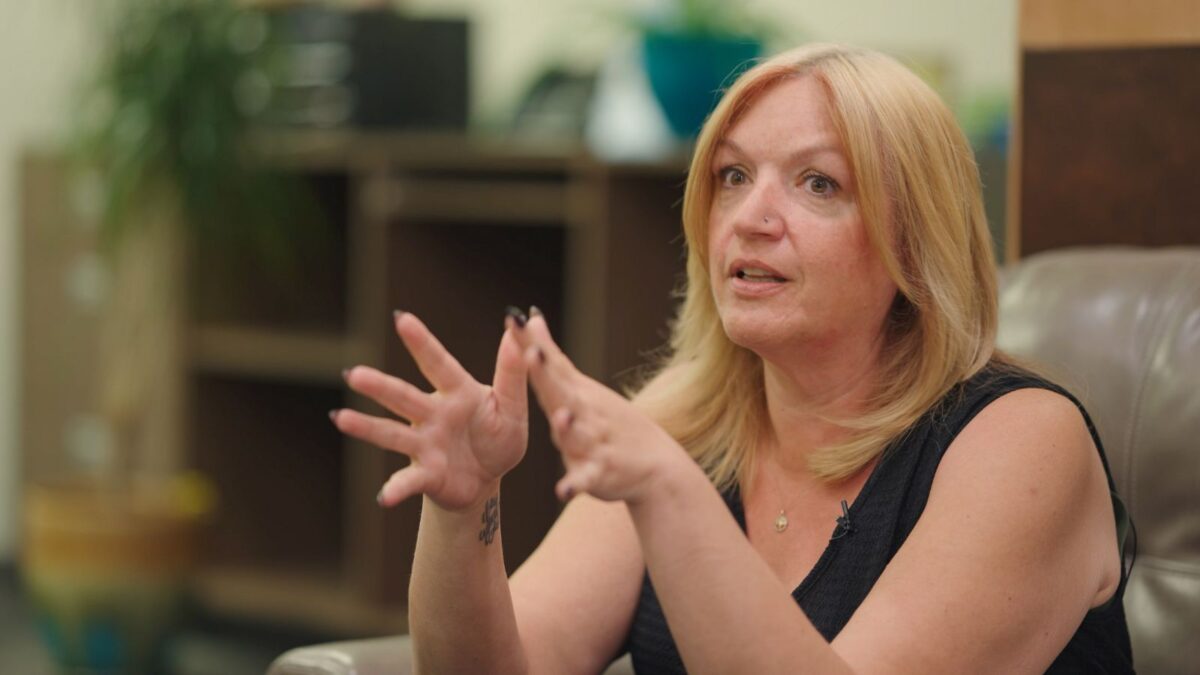
“Our infrastructure is going to be there for decades,” Clarke said. “Producers’ infrastructure too, but their drilling moves. Midstream is the anchor point, and the footprint of this whole storyline.”
The valve story is easy to tell as a gesture. One company helping another, a problem solved, a plant that stayed online, gas continuing to flow.
What it actually describes is harder to see from the outside. The basin has evolved into a network. Companies operating on the same long timeframes, in the same region, around the same communities, still compete. But they’ve also built a system they share, and they treat it that way.
That shift wasn’t accidental. It happened because enough capital committed to staying, enough agreements ran long enough to make both sides accountable to each other, and enough companies started asking what it meant to operate in a place for decades rather than years.
The ones that asked that question early built differently. The ones still asking it are finding that the structure of the basin now makes it harder not to.
