
24-HOUR EMERGENCY LINE: 1-844-808-4904
Creating Shared Value as a way of doing business in energy
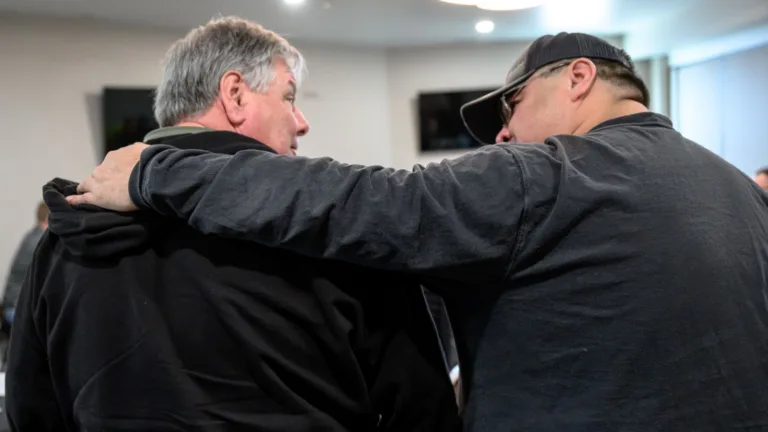
Energy infrastructure forces long-term thinking.
Facilities are built to last for decades. They operate on land that carries history and future responsibility. They affect communities, labour markets, and local economies long after construction is complete.
That history matters. The land we build on carries industrial memory, regional knowledge, and ways of working that have shaped this place long before any single project arrived. Understanding that heritage, and finding ways to respect and carry it forward in practical decisions, is part of how we approach our work.
That reality leaves little room for short-term thinking disguised as strategy.
At CSV, our decisions are guided by Creating Shared Value. It’s the idea behind our name (CSV) and the way we approach all of our work.
Creating Shared Value is a way of understanding how business performance and societal outcomes are connected. The concept was developed by Michael Porter, a professor at Harvard Business School known for his work on competitive strategy.
His core insight is straightforward: Companies perform better over time when they recognize how social and economic systems interact, rather than treating them as separate concerns. He defines Creating Shared Value as creating economic value in a way that also creates value for society by addressing its needs and challenges.
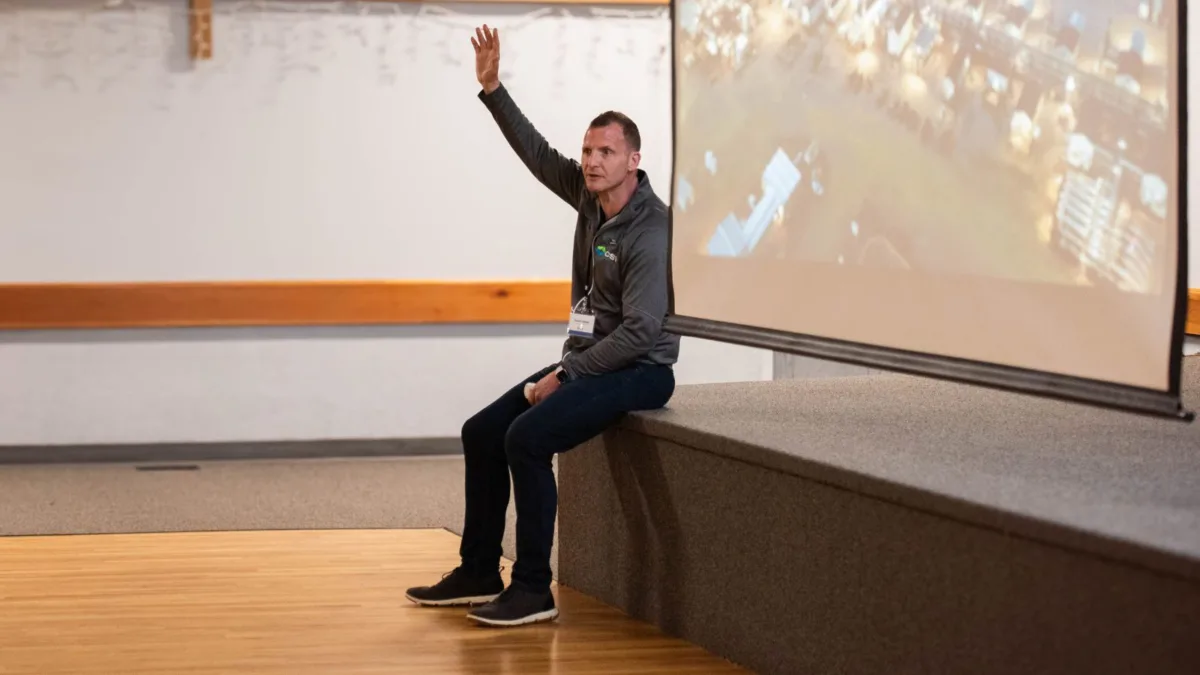
“I was introduced to this thinking through my studies at Harvard Business School, and what stood out was how practical it was,” says Daniel Clarke, CEO, CSV Midstream Solutions, who started the company back in 2014. “It didn’t ask business to step away from performance or replace strategy with goodwill. It asked leaders to widen their field of vision and account for the real conditions that shape long-term outcomes. That means looking beyond the balance sheet to how land use, workforce stability, community trust, and regional capacity directly affect whether a business succeeds over time.”
“In practice, this approach gives us a way to deal with the kinds of decisions energy projects are usually forced to make later — decisions that shape whether infrastructure performs well, earns trust, and holds up over time,” adds Clarke.
For CSV, Creating Shared Value is not charity, and it’s not a program we run off the side of our desk. It informs how we make decisions, how we show up in the regions where we work, and how we stay accountable to the people and places affected by our work. It is our business.
CSV’s publication called Rooted exists because Creating Shared Value is easy to reference but truly understood with real-world examples and context.
In energy, the impacts of infrastructure unfold over years and across places, often outside the frame of a single project or announcement.
This publication exists to slow that down and look at how energy, community, land, and long-term outcomes intersect. It’s where we explore what Creating Shared Value actually means in energy. Not as a concept, but as something that shows up in the lives of people and the regions where this work happens.
In energy, the power of those intersections is impossible to ignore.
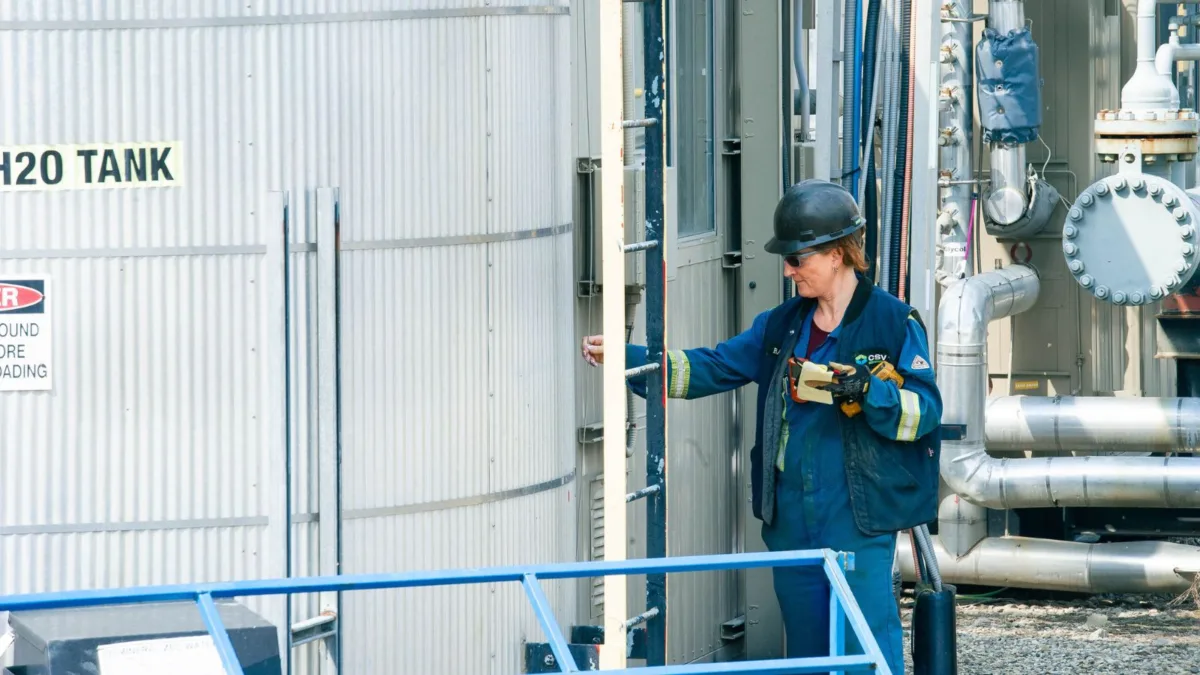
Shared value starts before problems appear
Traditional infrastructure development often separates business decisions from community outcomes. Projects are optimized for capital efficiency. Engagement follows later. Social issues are managed once they surface, usually at risk.
That process creates friction, and it doesn’t account for the human experience.
In energy, the cost of misalignment shows up over time. It settles into permitting challenges, strained relationships with landowners, workforce turnover, safety pressures, and facilities that struggle to perform because decisions were optimized around schedule and capital alone. Those outcomes often get accepted as part of the cost of doing business, rather than examined as the result of earlier decisions.
Creating Shared Value changes where decisions start and asks earlier questions, before anything gets built.
For example, when we built our Albright gas plant, the work started before we even broke ground. That included thinking about how the facility could contribute locally, such as capturing sulphur from the plant so it can be reused in agriculture, where it supports crop yield.
We went out into the community and asked a lot of questions.
“We wanted to know how this facility affects the people who live near it over its full operating life,” says Clarke.
“What does long-term reliability require from the region, not just during construction but years into operation? Where are the constraints in the system that will eventually show up as cost, delay, or conflict if they are ignored now? What do local communities need to support our work, and how can the work support what the local community wants to achieve?”
These questions are operational. They are part of how the work gets done, not a corporate social responsibility initiative or a communications exercise.
Where shared value shows up in practice
At CSV, Creating Shared Value becomes possible because of how the work is set up.
Engineering, construction, and operations are integrated. The same teams carry responsibility from design through operation. That continuity means decisions are made with a clear understanding of how assets will perform in the field, how issues will surface over time, and who will be affected when they do. It reduces handoffs and short-term fixes that often shift cost or impact elsewhere.
It also shows up in how we engage.
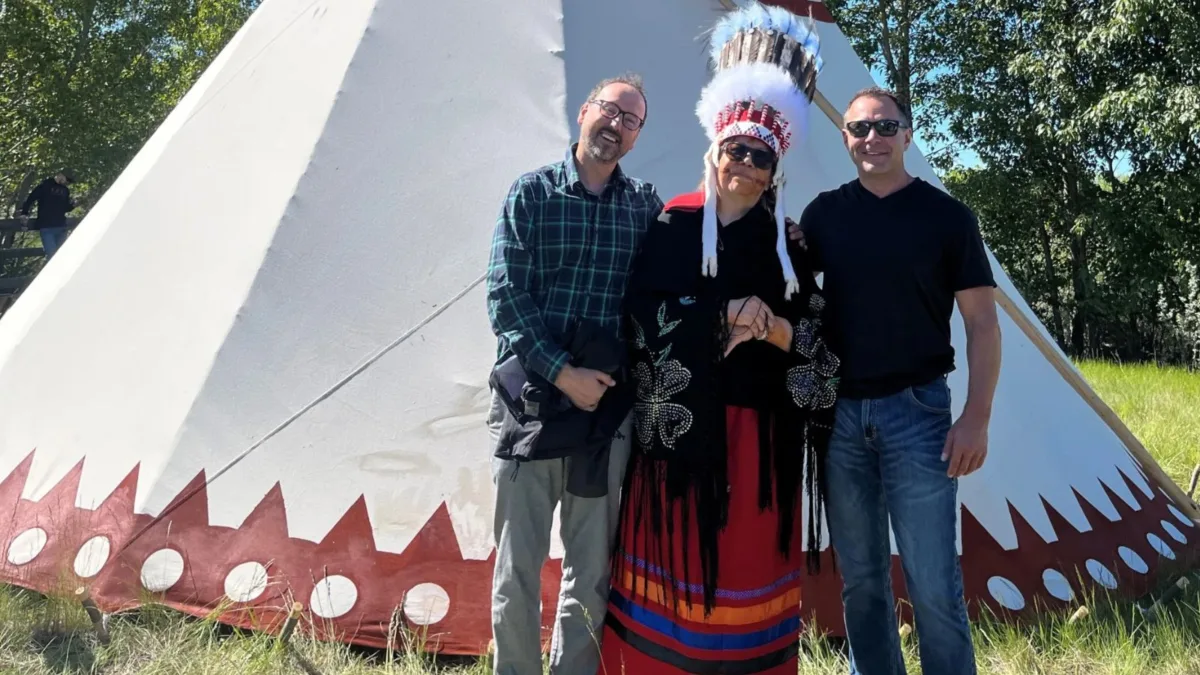
It’s about asking questions like those above, but also thinking about early engagement with landowners, Indigenous communities, regulators, and local leaders. It shows up in routing decisions, site selection, and operating constraints, because those choices affect people and places differently from one community to the next.
“Taking time to understand those realities early allows projects to align with the region rather than collide with it, reducing conflict and building longer-term support,” says Clarke.
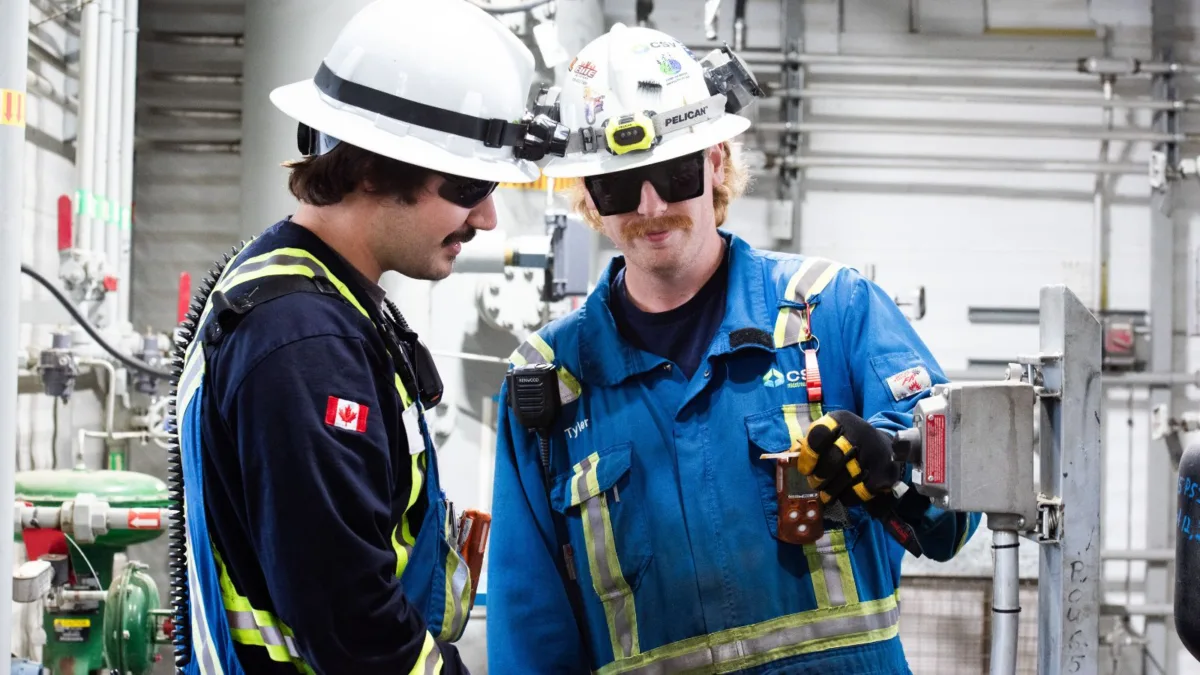
And it shows up in how we think about people because a stable, supported, and skilled workforce does not happen by default.
In energy, long hours and demanding conditions are part of the work, and that has real human impact. Systems like Buddy Up exist because mental health, peer support, and looking out for one another are not separate from performance.
When workforce health, safety, and retention are treated as core considerations rather than secondary concerns, teams are stronger, work is safer, and continuity improves. Those benefits compound over the full life of our assets, for both the business and the people who operate it, and spill over into the communities where we operate.
These choices support performance while also shaping how infrastructure is experienced by others. That is where shared value begins to take form.
Economic value still matters
“A key point about Creating Shared Value is that it doesn’t push profit aside or treat it as a trade-off,” says Clarke. “Instead, it reflects a simple truth: lasting profit comes from meeting real needs, building trust, and creating value that holds up over time.”
Well-designed infrastructure performs better. Projects with local trust move faster. Facilities operated by experienced, committed teams are safer and more reliable. Communities that see tangible benefit from infrastructure are more willing to support future development.
Those outcomes reduce cost, protect capital, and improve long-term returns. They also create benefits that extend beyond our gates. That is the shared part.
In a capital-intensive industry like energy, separating business success from community outcomes is not realistic. The systems are too interconnected.
Why this matters now
Energy systems face increasing pressure to deliver reliability with little to no tolerance for error. Regulatory expectations are higher. Communities are more informed and more engaged. Capital is more selective. Workforce dynamics continue to shift.
In that environment, narrow decision-making creates blind spots.
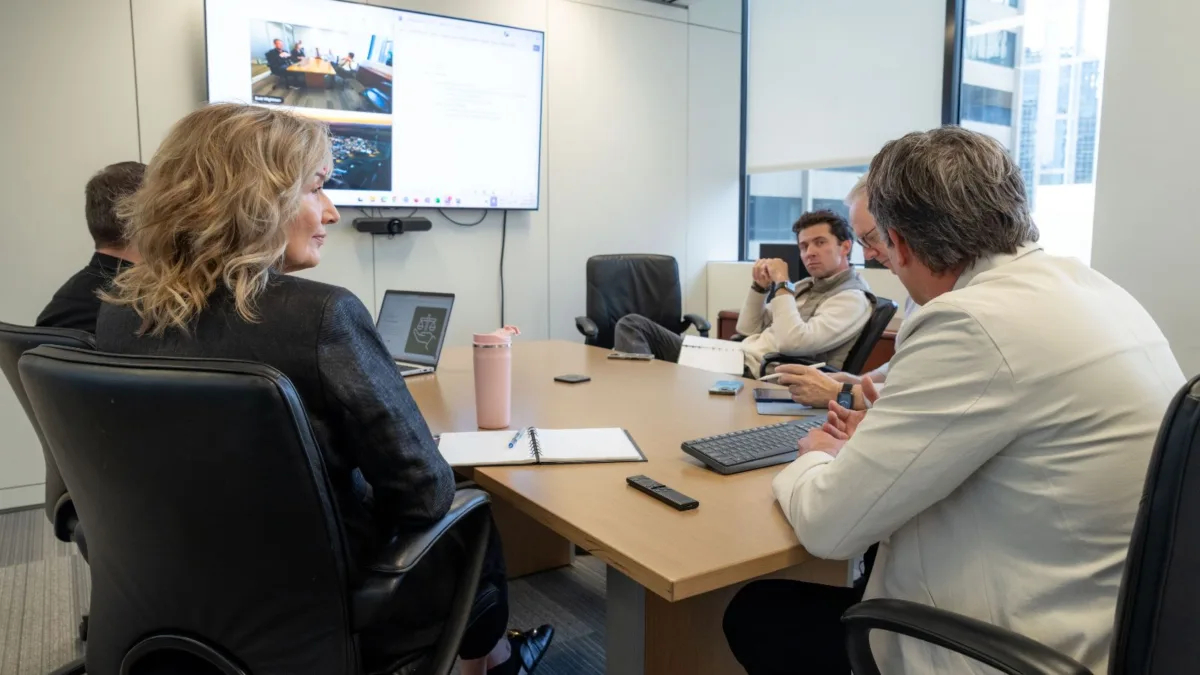
“Creating Shared Value offers a way to align long-term business performance with the conditions that make that performance possible,” says Clarke. “It does not simplify the work. It acknowledges its full scope.”
For us, that means starting decisions where their consequences land. On the ground. Over time. With people who live with the outcomes.
That is what Creating Shared Value means for us, and what it needs to mean in the energy industry.
