
24-HOUR EMERGENCY LINE: 1-844-808-4904
South Peace Centennial Museum plans a wash house and new power service
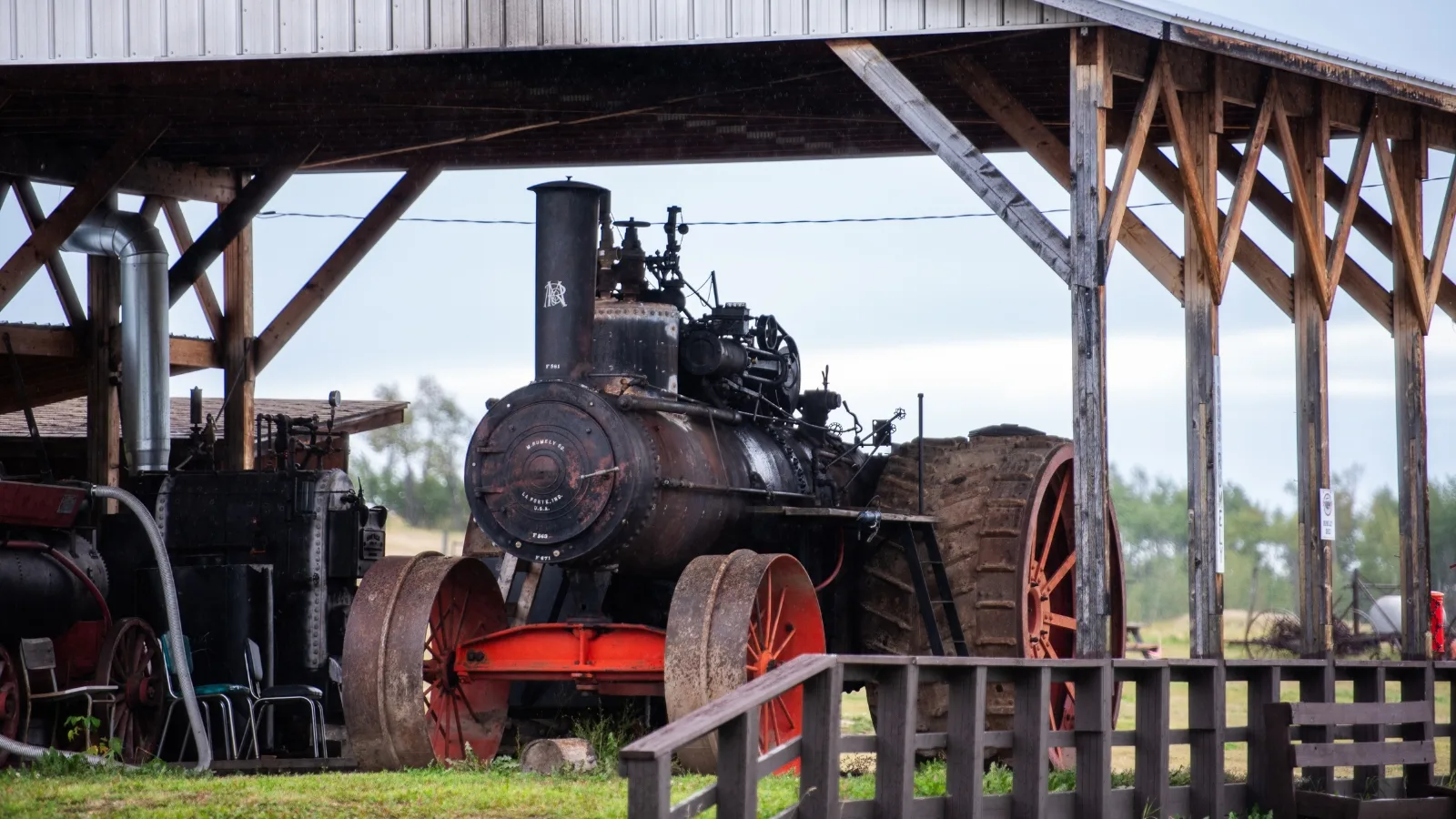
The museum near Beaverlodge applied to the Creating Shared Value Fund for the upgrades.
Two kilometres north of Beaverlodge, west of Grande Prairie, the South Peace Centennial Museum has become a gathering place for as many as 10,000 visitors a year, from festival-goers and wedding guests to travellers heading up the highway to Alaska. With about 1,200 students from surrounding communities arriving by the busload each year, the museum is investing in new washroom facilities so its grounds can keep pace with the community it serves.
Bob Scott has been coming to the museum for nearly 40 years and he now chairs the South Peace Centennial Museum Association, the volunteer board that runs the place. The water lines and the power he took on with the job go back close to the museum’s founding.
“We’re preserving the past, and we want a future for the museum,” Scott says. “It won’t be long before we’re not allowed to use dug-in toilets for the public, so we need a wash house.”
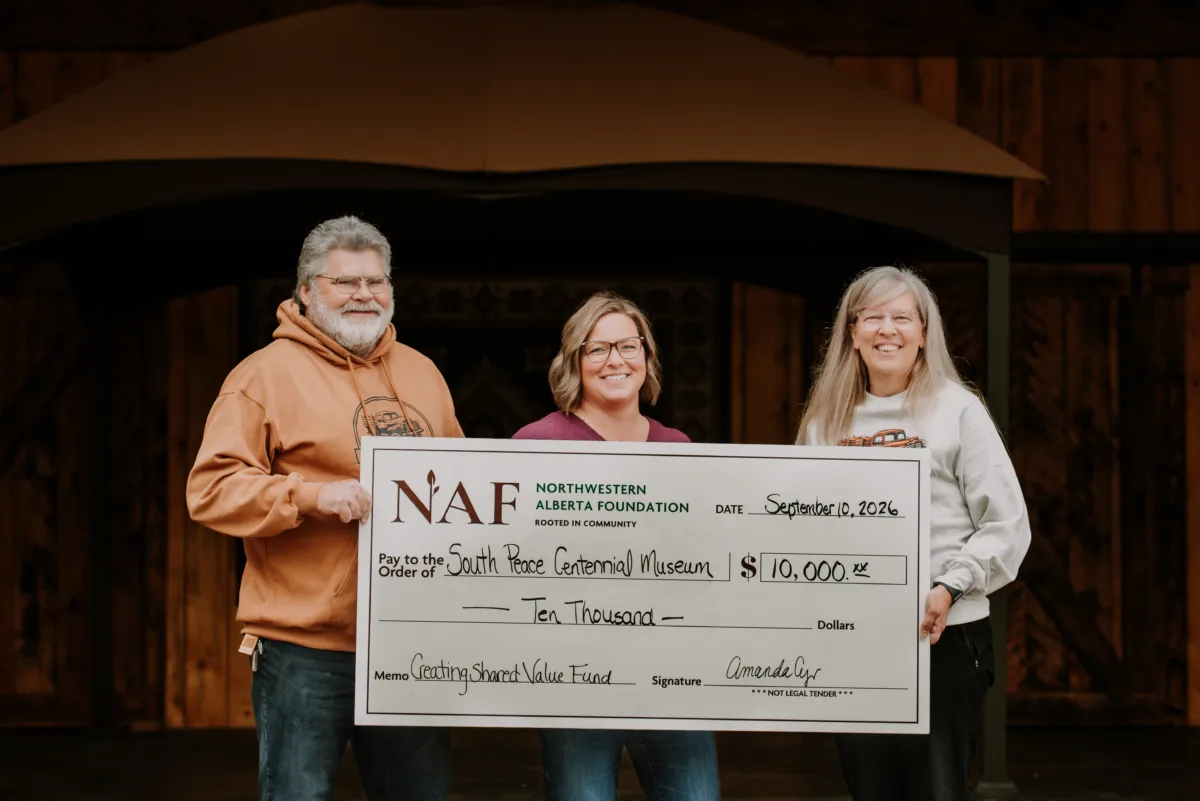
Earlier this year the association applied to the Creating Shared Value Fund for wastewater management and electrical service upgrades, and this summer it found out it was one of five organizations in the region to receive funding.
The plan is to put proper plumbing and proper power on the grounds. The museum is building a wash house with flush toilets and running it into a new septic system, and it is bringing in a transformer and a line off the highway so the buildings and the event grounds have enough electricity for a festival.
The whole job runs close to $300,000, which the association is raising from several sources this year, and construction is set for 2027.
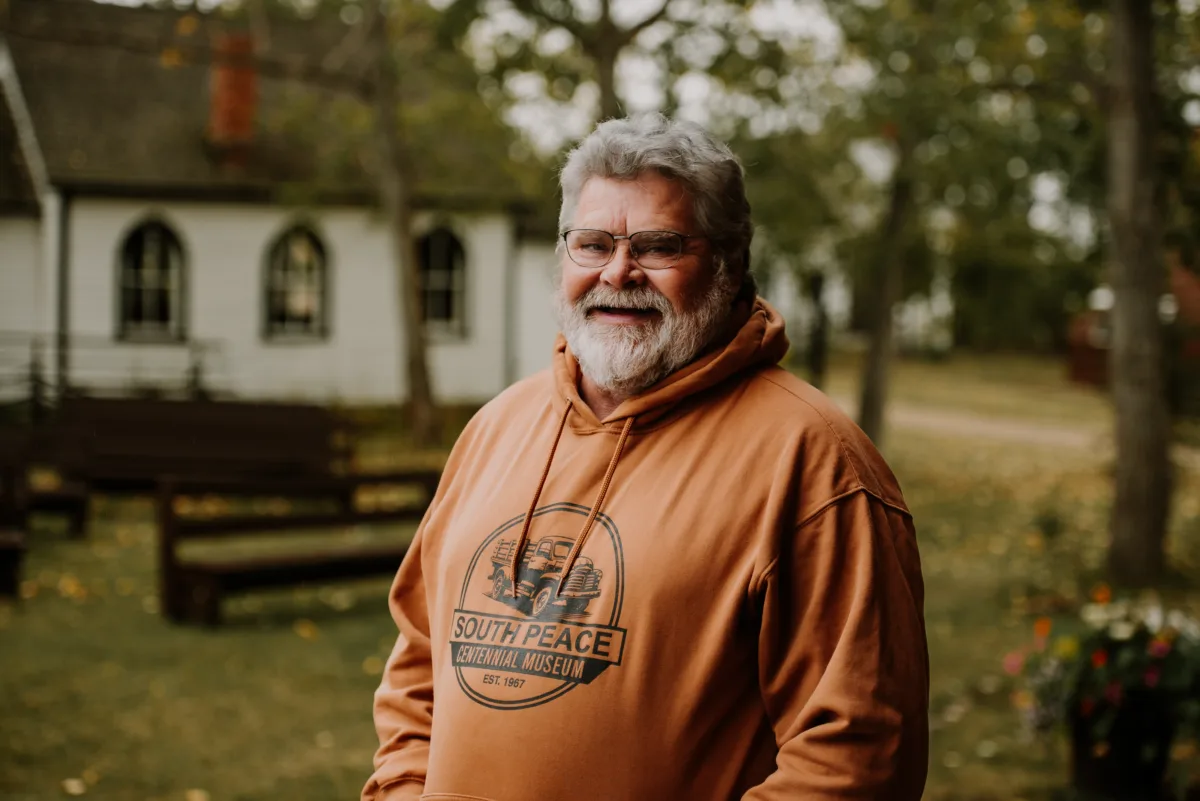
“Next year is our 60th anniversary, so a lot of our power and stuff is almost 60 years old,” Scott says. “We had three water line breaks since December, so our repairs are just costing us too much. We have to replace it.”
The Peace Country Gospel Jamboree brings a multi-day festival out to the museum every year, and the museum’s own Pioneer Days, Fall Harvest Festival, show and shine, and Halloween and Christmas events fill out the rest of the season.
Paying for all of that falls to the gift shop, event revenue, donations, and grants. The contractors and shops in Beaverlodge and Hythe help by cutting their prices for the museum, and some of the money behind the wash house and the power service will come from a gas plant 20 minutes down the road.
CSV Midstream Solutions launched the Creating Shared Value Fund this year. The money comes off the top of what its Albright gas plant west of Grande Prairie earns, so the Fund is paid out of revenue rather than out of profit. Most corporate donations get set as a budget line and reviewed every year, while this was developed to run for as long as the plant does.
The recipients of the Fund are chosen by a guiding committee of community members who read the applications themselves, on the reasoning that the people living around the plant are the ones who can see what the area needs. The Northwestern Alberta Foundation administers the Fund and its board signs off on what the committee recommends.
CSV stands for Creating Shared Value, which means the work that makes the company money should leave the community around it better off too.
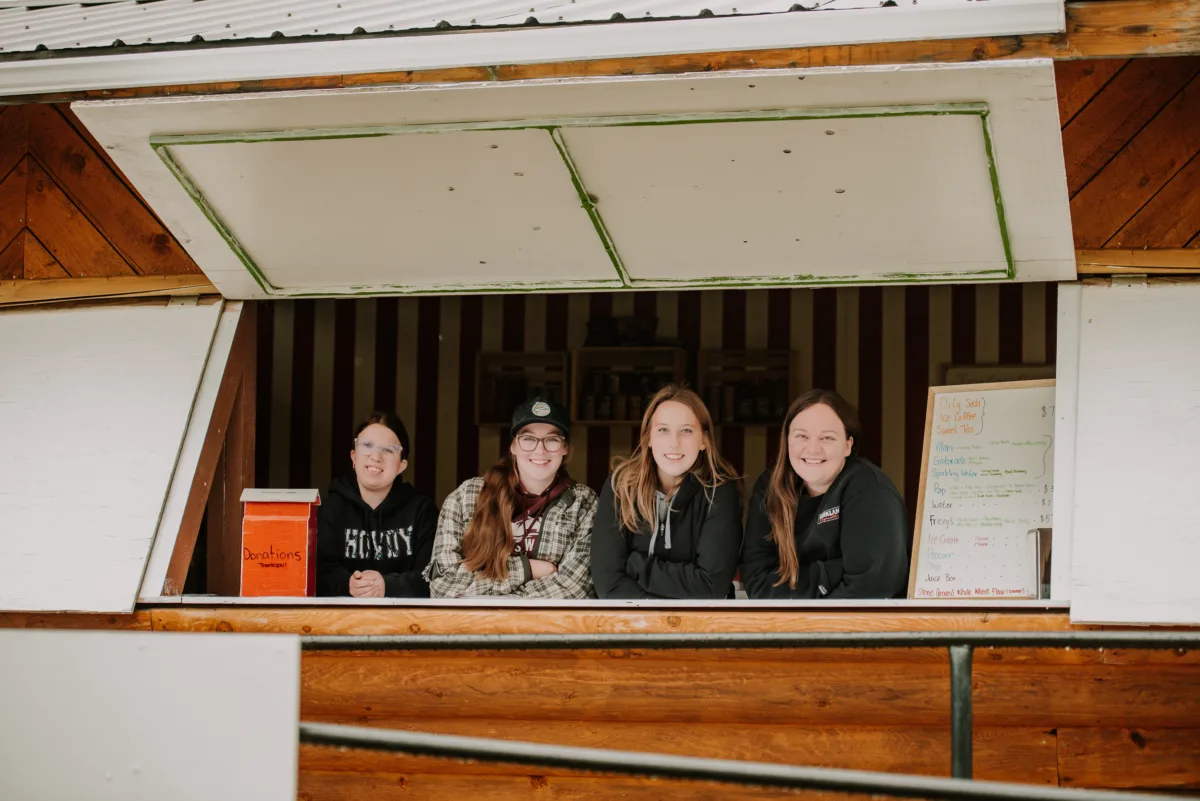
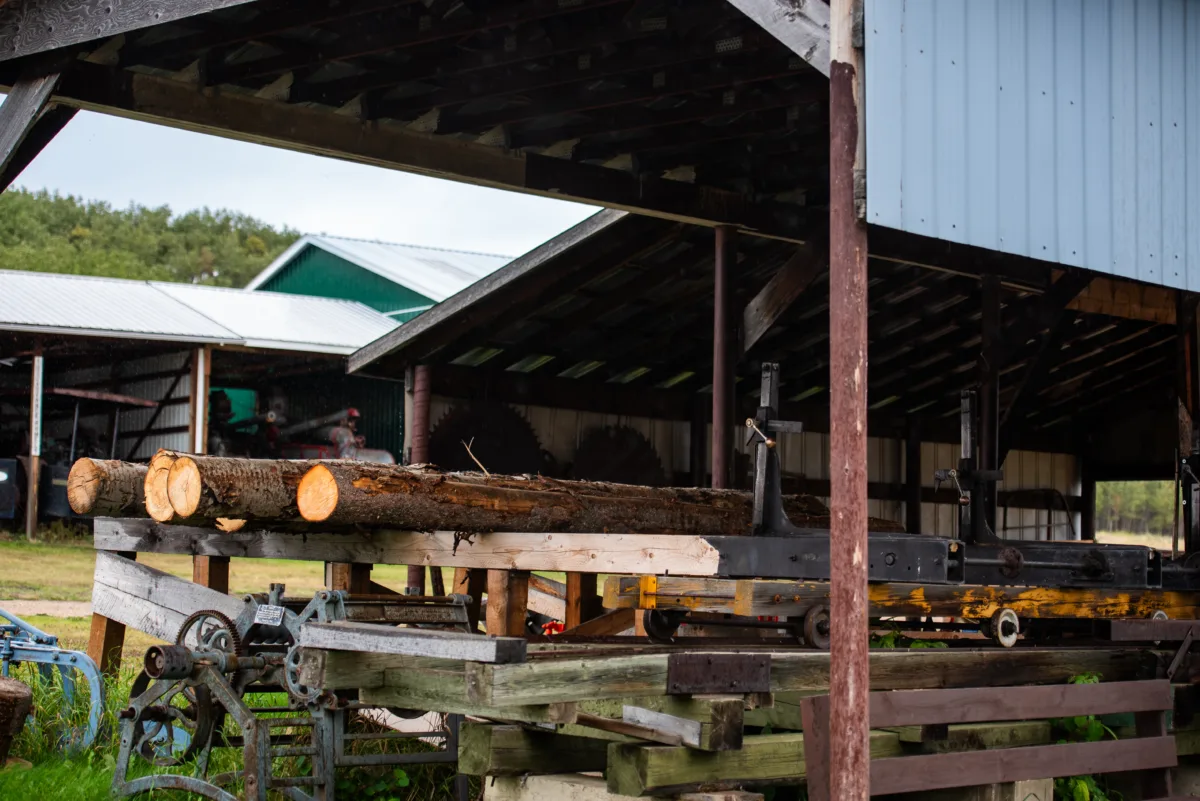
At the South Peace Centennial Museum, a large group of volunteers keep everything running. An event day takes about 100 of them for the concession, the gift shop, the kids carnival, the sawmill and the tractors, and most of them come from Beaverlodge and the farms around it.
Danielle Jonzon came in through the farmers’ market the museum hosted outdoors during Covid, joined the board, and has been at it six years. She lives north of La Glace, where she keeps Highland cows and sews. Several of the regulars are retired farmers who come out to work on the tractors and fix equipment, and Jonzon says things get repaired that nobody on the board knew were broken. One of them is there every day.
“We have one gentleman, he’s here today,” Jonzon says. “He’s a farmer, retired, moved to town, and he’s out here every day because it gives him something to do.
“He’s 87 years old, and he said if it wasn’t for the museum, he would have died years ago,” adds Scott.
Jonzon says there are several more like him, men who sold their farms and now have somewhere to go during the week. One gentleman mows the grounds almost every day and some of the women keep the flower beds weeded, and the people who ask to get involved are often parents who came out with a school tour and wanted to come back.
An exercise group runs its summer programs on the grounds at no charge, because renting a space in town is more than the group could manage. The same goes for anyone who phones to ask whether they can hold a picnic or a gathering out there, and Scott says the answer is yes.
“This is their museum,” he says. “It’s not Bob and Danielle’s. It’s not the board’s museum. It’s a community museum.”
